MAHE mental health platform · Discovery dossier
Sachetana v2: the case, on one page.
What sixteen competitors ship, the position none of them occupy, what MAHE would need to build to occupy it, and what that would cost and return. This page is the whole argument; the four parts below are where it's sourced.
Why this matters
MAHE is not short on psychiatric care. Kasturba Hospital, a Department of Psychiatry, and salaried counsellors already exist, already paid for. What's missing is everything between a student noticing something is wrong and that student sitting down in front of one of them. That missing piece is the whole proposal.
A court order now turns this from goodwill into a compliance obligation, with named ratios and a named integration. The full mandate is in Part One → The mandate.
The friction, named
87% never make it through the door
That's not because the door is guarded. It's because the path to it is long, unclear, and public: a student has to know who to ask, be willing to be seen asking, and be willing to wait once they have. Every one of those is a friction point Sachetana is built to remove, ahead of a psychiatrist ever entering the picture.
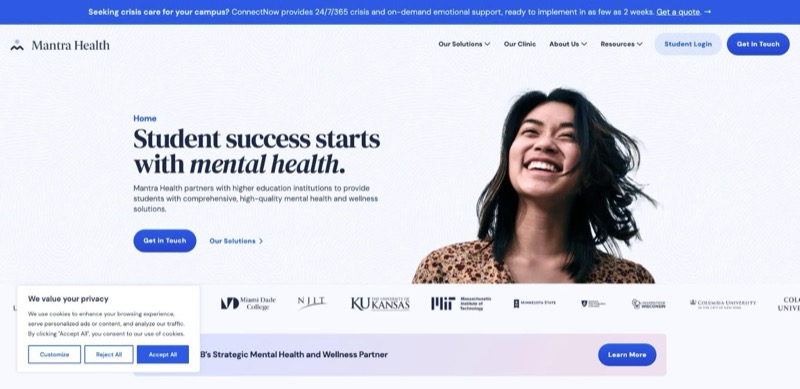
It's also, separately, a market fact. Almost every serious competitor brings its own clinicians to earn, so none of them has any reason to reduce that friction by routing a student back to a university's own counsellors. MAHE has the opposite incentive, and the opposite asset: Kasturba Hospital, a Department of Psychiatry, and salaried counsellors it already pays for. No platform on the market is built to send a student there. Sachetana is.
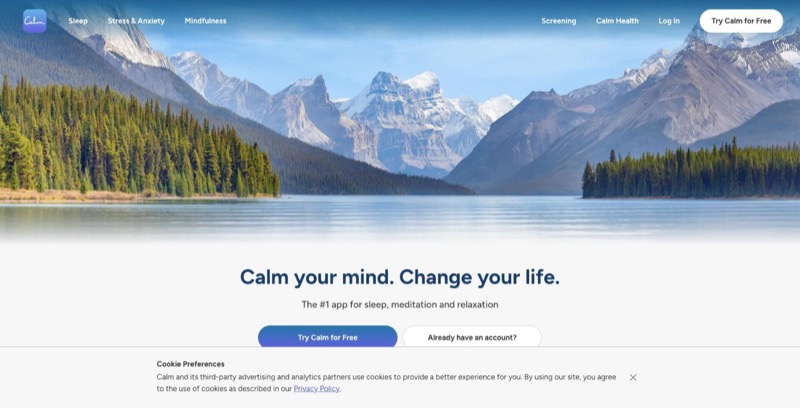
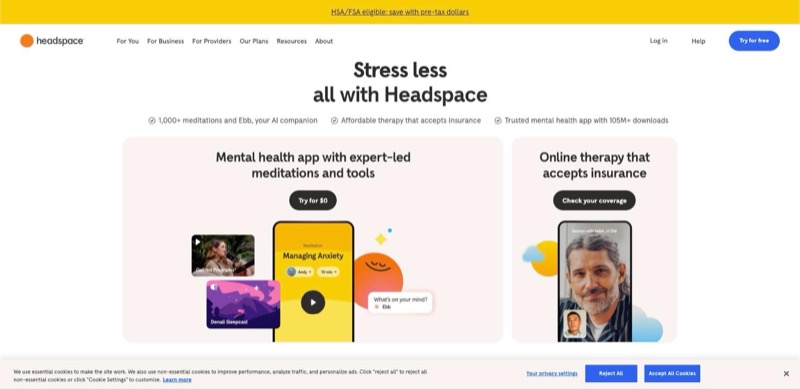
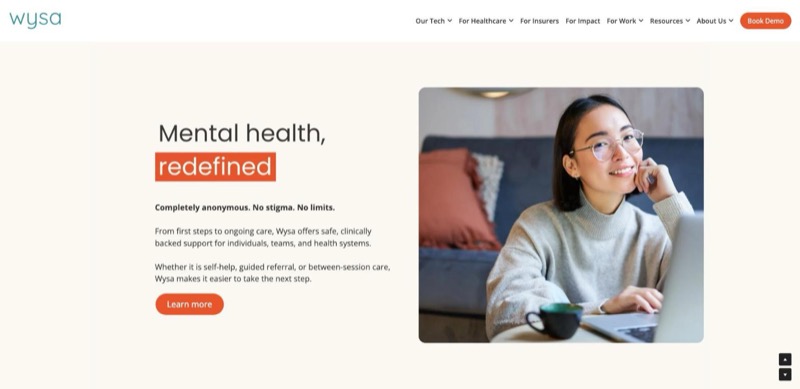
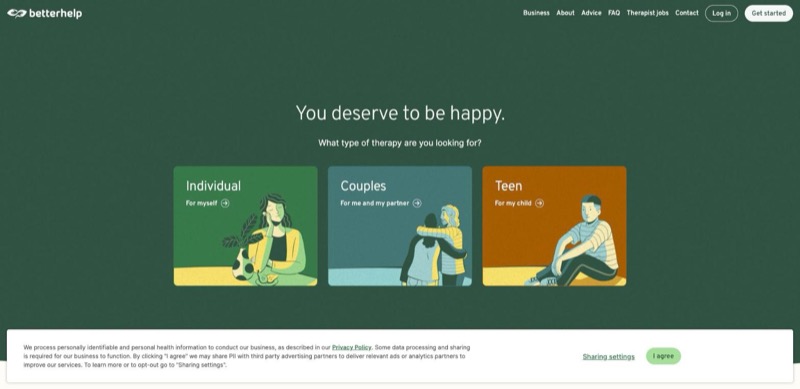
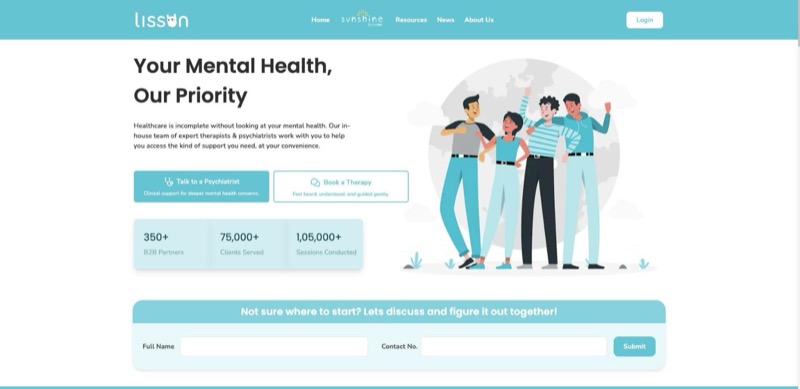
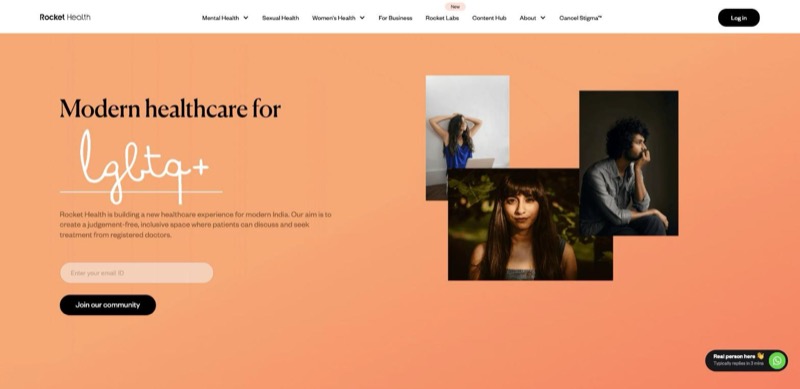
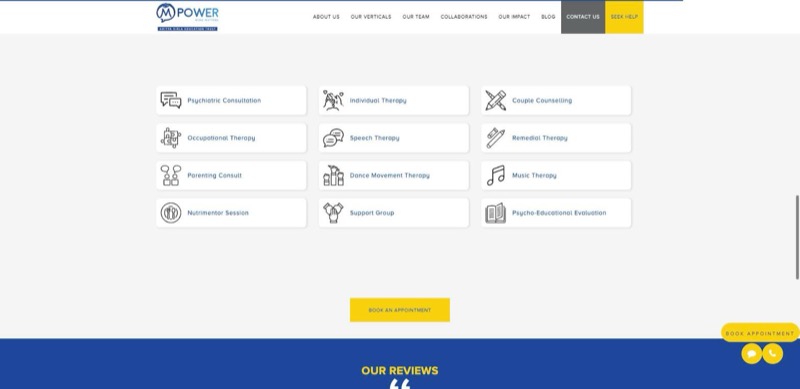
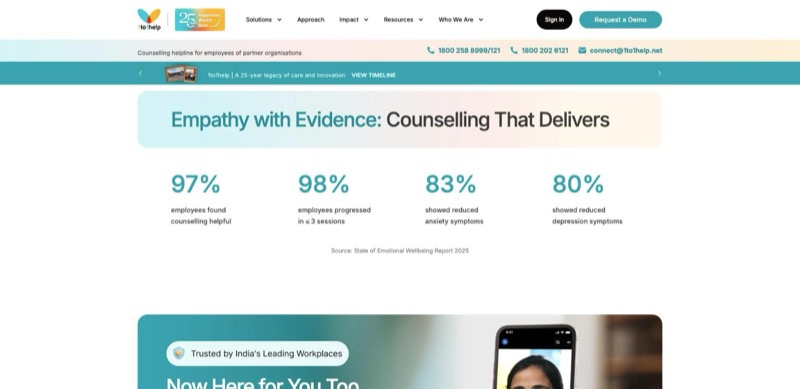
Where sixteen platforms sit · full map in Part One
↔ Scroll to see the map
Finding 01
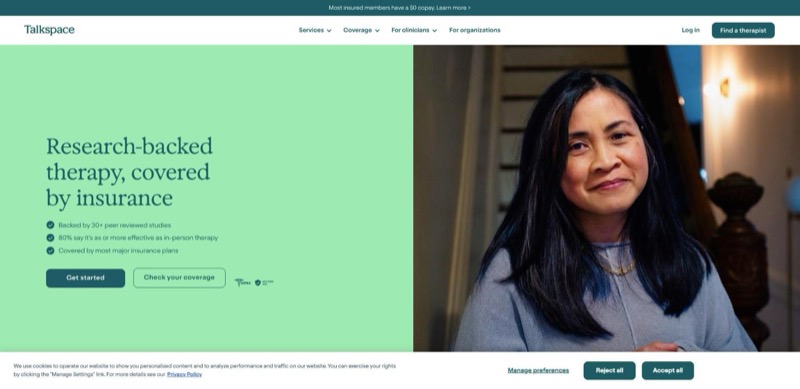
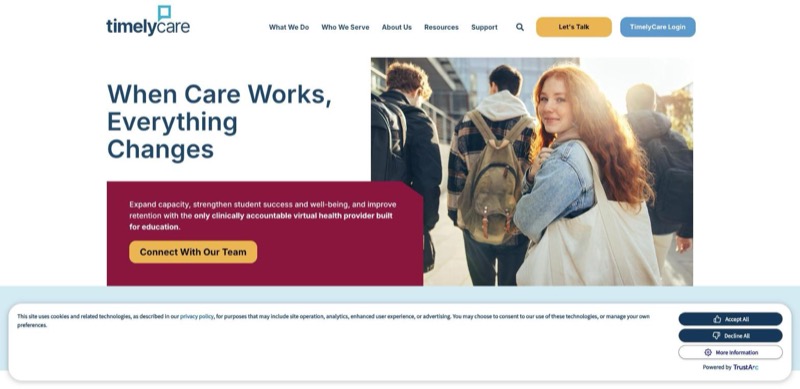
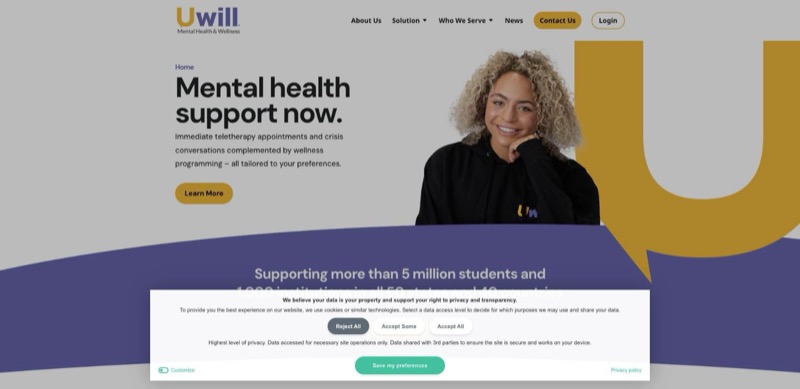
TimelyCare, Uwill, YourDOST and Talkspace all monetise the therapy hour; none has any incentive to hand a student back to a university's own psychiatrist.
Finding 02
No Indian platform ships the mandated 1:100 peer-supporter layer. At MAHE's scale, that's hundreds of people who need a system, not a spreadsheet.
Three more findings, the full sixteen-platform matrix, and the sourcing are in Part One → The gap.
How
The bridge, with side features layered on top
Sachetana does not replace MAHE's psychiatric care. It is the path to it. A student who would never call the counselling centre directly can start anonymously, get triaged, and be routed into the same clinicians and the same hospital MAHE already funds. Everything else the app does sits on top of that bridge, not instead of it.
Layered on top of the bridge, not instead of it
The same bridge, broken into five tiers a student climbs
Every card, its justification, and the phase it ships in are in Part Two → The ladder.
What it costs, what it returns
The number this proposal is trying to move
Every additional session MAHE's own counsellors deliver through this platform is value the university already funds, reaching a student it currently isn't reaching.
Phasing, the run-cost breakdown, and the method behind these figures are in Part Three → Cost.
Go deeper
Four parts, read in order
Each part is built on the one before it. The competitor survey finds the gap; the feature set is that gap translated into a build; the business model is what it would cost MAHE to fund it; the compliance review is what legally attaches to the data any of it collects.
Part One
Competitor analysis- Covers
- Sixteen platforms across five segments, a ten-capability feature matrix, six revenue models, and price anchors spanning four orders of magnitude.
- Finding
- Every commercial player must bring its own clinicians to earn. MAHE's incentive runs the opposite way, and nobody has built for that yet.
Part Two
Feature set- Covers
- Fifteen features across five tiers of a stepped-care ladder, from an anonymous first message to a psychiatrist at Kasturba Hospital.
- Finding
- The 1:100 peer-supporter mandate is a named legal requirement that no Indian platform ships, the largest single gap in the entire market.
Part Three
Business model- Covers
- A recommended pricing shape, a phased build cost, a three-year run cost, and the return on a single utilisation number.
- Finding
- A phased build ballparked at ₹75 lakh–₹1.2 crore, recovered inside its first year or two purely from counselling utilisation MAHE already funds.
Part Four
Regulatory & data- Covers
- Six overlapping legal regimes, what each of the sixteen platforms actually collects where that's been independently checked, and what that means for this build.
- Finding
- A single unmade structuring decision determines whether the anonymous front door in Part Two is even legal for a seventeen-year-old.
Prior art
We are not starting from a slide
Sachetana v1 was a working prototype, not a deployed product, built but never released to a live student population. It shipped self-evaluation, journaling, breathing practice, a Safe Space community feed, SOS support, counselling surfaces and a Gemini-based chatbot, on Flutter with Supabase and Firebase behind it, and covers the top of the funnel most competitors get wrong.
Where v1 stops and the proposed feature set begins is mapped tier by tier in Part Two → Prior art.